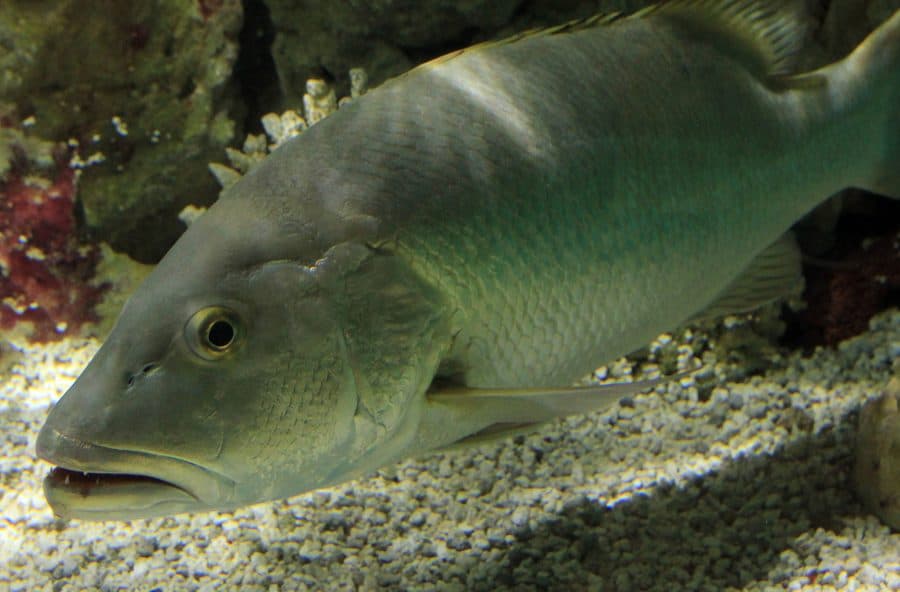
Cubera Snapper
SaltwaterIn season now

Cubera Snapper

Lutjanus cyanopterus

The heavyweight snapper: giant canines, brutal first runs, and a habit of eating lobster-sized baits around reefs, bridges, wrecks, and deep structure.

Typical size
15-40 lb
Trophy class
60 lb+
Expert

Cubera are trophy snapper, not casual reef fish. Scale up, fish at night around serious structure, and expect the first ten seconds to decide the fight.

Quick Catch Plan

Best bait right now
Large legal live bait or whole dead bait on 10/0-14/0 circle and 100 lb leader.
Recommended lure
Heavy jigs and large plugs around bridges/reefs.
Setup
Heavy conventional, 80-100 lb braid, 100-150 lb leader, locked-down drag.
Where to go
Heavy structure with big bait, especially at night and around summer moon periods.
Best time
Night, moving tide, and summer moon/spawn windows where open.
Season notes
Large spawning aggregations are vulnerable; follow closures and release oversized breeders carefully.

ID Characteristics

Use these field marks and context clues to separate cubera snapper from similar fish before logging or keeping one.

  • Overall look: The heavyweight snapper: giant canines, brutal first runs, and a habit of eating lobster-sized baits around reefs, bridges, wrecks, and deep structure.
  • Typical size: 15-40 lb; trophy class: 60 lb+.
  • Most likely setting: reef, wreck, bridge, nearshore, offshore in Florida, Gulf Coast, Southeast, Atlantic Coast.
  • Where to confirm it: Big bait, heavy relief, night current, and known spawning-season structure.
  • Compared with Mangrove snapper: Cubera have massive canine teeth, heavier bodies, and grow far larger; juveniles can look like oversized mangroves.

Gear Recommendations

Rod
6'-7' heavy conventional or XXH spinning
Reel
High-drag conventional or 14000-20000 spinning
Main line
80-100 lb braid
Leader
100-150 lb fluorocarbon or mono
Hooks
10/0-14/0 strong circle hooks
Jigheads
4-8 oz heavy jigs where practical
Terminal tackle
Heavy fish-finder/knocker rigs, chafe gear, crimped leaders
Lure sizes
Large whole baits, 8-12" plugs/jigs
Lure colors
Natural bait colors, black/purple at night
Baits
Large pinfish · Blue runners · Grunts · Whole bonito chunks · Legal lobster where allowed
Beginner setup

Simple start: 6'-7' heavy conventional or XXH spinning, High-drag conventional or 14000-20000 spinning, 100-150 lb fluorocarbon or mono, and Large legal live bait or whole dead bait on 10/0-14/0 circle and 100 lb leader.. Fish the easiest public structure first and keep the bait natural.

Budget setup

One versatile spinning setup, a small hook box, fluorocarbon from 20 to 40 lb, and fresh bait cover most cubera snapper trips.

Serious angler

Build a chum-and-flatline program: anchor up-current, start light, feed unweighted baits naturally, and adjust leader size until the larger fish commit.

Techniques

Presentation
Put a large natural bait close enough to structure to be found but not so deep in it that the fish instantly wins.
Retrieve
No finesse after the bite: wind, lift, and keep the fish out of cover.
Positioning
Anchor/position to pull fish away from the snag line on the first run.
Depth
20-250 ft
Structure
Deep wrecks, reef edges, bridges, passes, and heavy rock.
Working current
Moving tide feeds them; too much flow can make huge baits hard to control.
boat fishing

Heavy bait fishing over reefs, wrecks, and passes.

pier fishing

Big bridge/pier fish require specialized heavy tackle and landing plans.

shore fishing

Bridge and inlet shorelines can produce at night where access and rules allow.

Timing & Conditions

Seasons
Warm months, with summer moon periods notable.
Time of day
Night and low light.
Weather
Safe structure-fishing conditions.
Wind
Manageable for exact positioning.
Water temp
Best 74-86°F.
Tides
Strong moving tide.
Moon
Major factor for spawning/feeding windows.
Pressure
High pressure demands stealth and fresh bait.
Seasonal movement
Adults roam heavy structure and aggregate seasonally.

Habitat — Where to Find Them

Large warm-water snapper of reefs, wrecks, passes, and bridge structure.

Depth range
20-250 ft
Look for
Big bait, heavy relief, night current, and known spawning-season structure.
Migration
Local movements with seasonal spawning aggregations.
wrecksreefsbridgespassesrock piles

Common Mistakes

  • Under-gunned tackle
  • No landing/gaff plan
  • Confusing juveniles with mangroves
  • Fishing closed aggregation areas
  • Putting hands near the canines

Catch, Handling & Release

Landing
Gaff legal keepers only when fully controlled; big releases should stay in the water.
Handling
Huge canines and spines demand tools and gloves.
Release
Support large fish, descend from depth, and release breeders quickly.
Conservation
Cubera rules vary widely and may include special limits for very large fish; verify current state/federal regulations and closures.

Common Lookalikes

Mangrove snapper

Cubera have massive canine teeth, heavier bodies, and grow far larger; juveniles can look like oversized mangroves.

Guide data is editorial and general — conditions, regulations, and fish behavior vary by water. Photo: Wikipedia — Cubera snapper.